
Choosing between an electric tea kettle and a stove top kettle sounds simple until you look closer. One boils faster and shuts itself off, the other works without an outlet and can last for decades, and if you cook on gas, the running costs may surprise you. This guide compares both types on speed, energy use, cost, safety, tea temperature, and durability so you can pick the right one for your kitchen.
A tea kettle is more than a tea tool. It also heats water for hot cocoa, instant coffee, oatmeal, pour-over coffee, and cleaning jobs, which is why the choice matters every day.
Electric Tea Kettle vs Stove Top: Quick Answer
Choose an electric kettle if you want speed, tea temperature control, and automatic shut-off. Choose a stove top kettle if you want a simple, durable kettle that works without an outlet, especially in a gas kitchen or during a power cut. Many households end up with both.
| Feature | Electric Kettle | Stove Top Kettle |
|---|---|---|
| Boil Time | Roughly 2 to 5 minutes per liter, depending on wattage | Roughly 5 to 7 minutes per liter on gas |
| Temperature Control | Many models offer preset or variable temperatures | None, you judge by sound, bubbles, or waiting |
| Built-In Safety | Auto shut-off and boil-dry protection are common | A whistle only, so it still needs your attention |
| Heat Efficiency | High, often estimated at 70 to 80 percent | Lower on gas, with estimates from about 35 to 70 percent |
| Running Cost | Depends on your electricity price | Depends on your gas price, and gas is often cheaper per unit of energy |
| Needs an Outlet | Yes | No, only a stove |
| Durability | Electronics and seals can wear out | Simple design that often lasts for years |
| Purchase Price | Moderate | Often lower |
| Best For | Speed, tea temperature control, offices, and dorms | Gas kitchens, power cuts, and simple routines |
Stove Top Tea Kettles
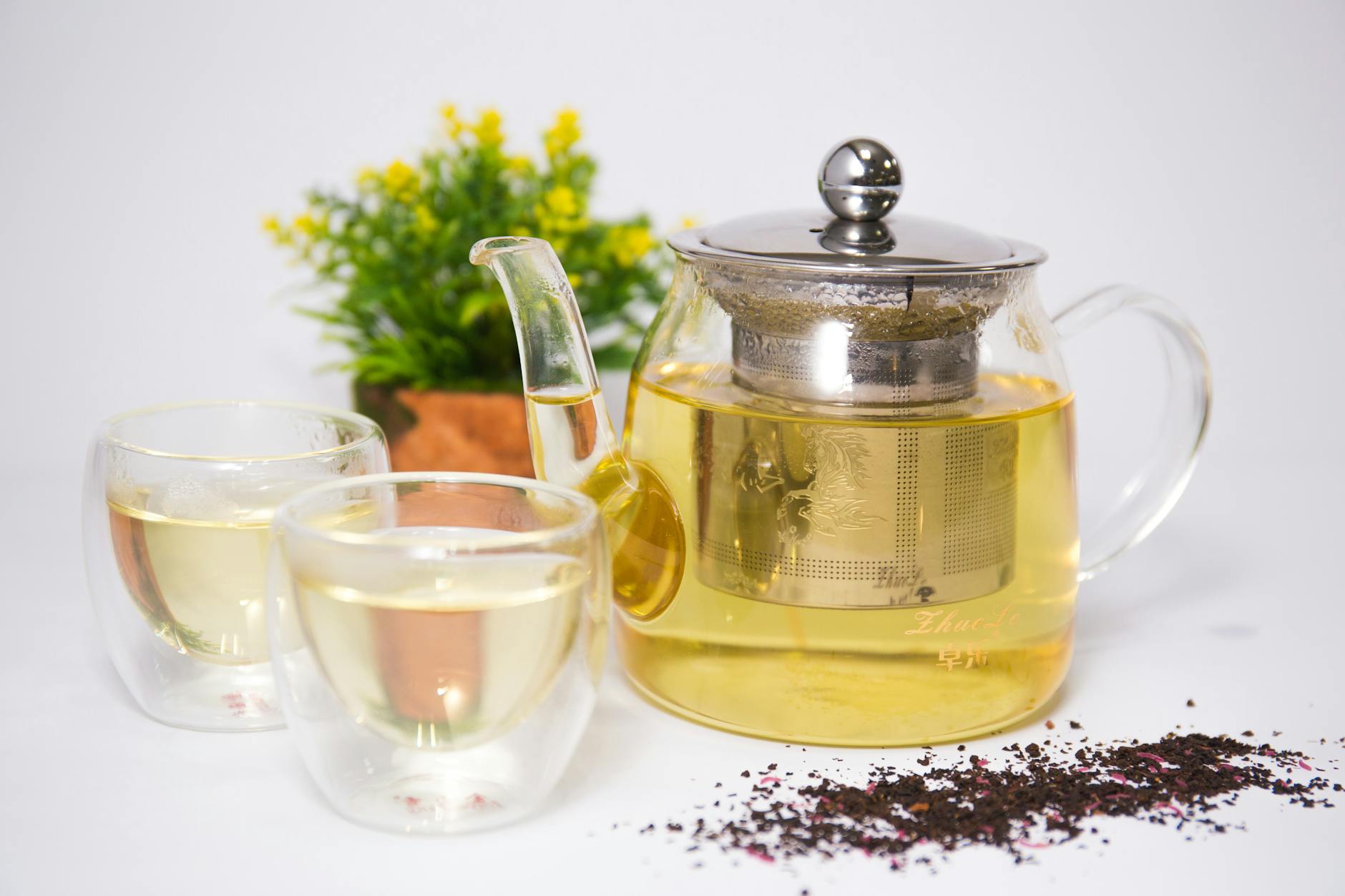
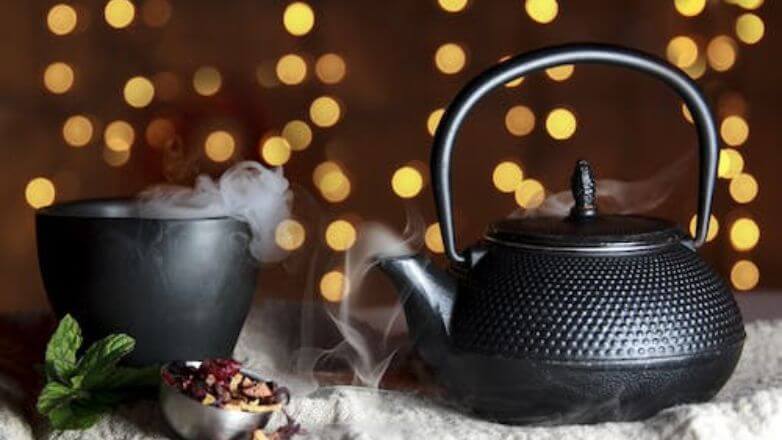
These are the traditional kettles. You place them directly on a burner, and the stove supplies the heat. They have a handle and a spout for pouring, and many include a whistle that signals when the water boils.
Without a kettle, people end up boiling water in a pot or heating a cup in the microwave. A dedicated kettle is faster to pour from, easier to handle, and simpler to keep clean.
How a Stove Top Kettle Works
A stove top kettle has no heating element of its own. Heat from a gas flame, electric coil, glass-top element, or induction field passes through the base into the water. On induction, the kettle base must be magnetic or marked as induction compatible.
Using a Stove Top Kettle on a Gas Stove
- Choose a kettle with a flat, stable base that sits securely on the grate
- Keep the flame under the base, because a flame licking up the sides wastes gas and can damage handles
- Turn the burner off as soon as the whistle sounds
- Keep the kettle’s handle and spout clear of the flame
If your igniter fails or the power is out, a stove top kettle can still work on a gas stove once you light the burner by hand. My guide to the Gas Stove Lighter explains the safe way to do that.
Electric Tea Kettles

An electric kettle heats water with its own built-in element, so it does not need a stove. It plugs into a wall outlet, either directly or through a power base that the kettle sits on.
How an Electric Kettle Works
A heating element sits inside or beneath the water chamber and transfers almost all of its heat directly into the water. Because the element is in contact with the water and the body is insulated, very little heat escapes into the room. A thermostat switches the kettle off when the water boils.
Types of Electric Kettles
Basic Electric Kettles
These boil water and switch off. They are the least expensive and the simplest to use.
Variable-Temperature Kettles
These let you pick a target temperature, which is ideal for green tea, white tea, and pour-over coffee. Some also keep the water warm for a set time.
Gooseneck Electric Kettles
A long, narrow spout gives precise pouring control, which coffee brewers love.
Travel and Compact Kettles
Small, foldable, or low-capacity models suit dorm rooms, offices, and trips.
Electric Tea Kettle vs Stove Top Kettle: Pros and Cons
Advantages of Stove Tea Kettles
- Attractive and stylish, with a classic look that suits an open kitchen
- Easy to use, with no settings to learn
- No plug or outlet needed
- Simple design with no electronics, so it often lasts for years
- Cost-effective to buy
- Can be easy to clean and descale
Advantages of Electric Tea Kettles
- Wastes less heat than a stove top kettle
- Heats water faster
- Many models include a removable filter in the spout that catches limescale flakes
- Does not need a stove, which suits dorm rooms and offices
- Temperature control on many models
- Suitable for green tea and white tea that need cooler water
- Automatic shut-off and boil-dry protection
Disadvantages of Each Type
Electric kettles need an outlet, take counter space, and can fail when electronics or seals wear out. They also come in fewer styles than stove top kettles. Stove top kettles are slower, offer no temperature control, and rely on you to turn the burner off.
Speed, Energy Use, and Cost
This is where the answer gets more interesting for gas stove owners. A kettle can use less energy and still cost more to run, depending on your local energy prices.
Which Boils Water Faster
Electric kettles are usually about twice as fast. Typical figures are roughly 2 to 3 minutes per liter for an electric kettle and 5 to 7 minutes per liter for a kettle on a gas burner. A UK test by NimbleFins found a 3 kilowatt kettle boiled one cup of water in about a minute, while the gas hob took about five. Most kettles sold in the U.S. draw less power than UK models, so expect somewhat longer times.
Which Uses Less Energy
The electric kettle. Inside Energy reports that an electric kettle is about 80 percent efficient in typical estimates and measured around 71 percent in one test, with an electric stove near 70 percent. Estimates for gas burners vary widely, from about 35 percent in an older figure that Stanford Magazine attributes to the U.S. Department of Energy to roughly 70 percent in estimates quoted by Inside Energy. You can read more in the Inside Energy Guide to Boiling Water and the Stanford Magazine Best Way To Boil Water Article.
Which Costs Less on a Gas Stove
It depends on your prices. Gas is often much cheaper per unit of energy than electricity, which can offset the burner’s lower efficiency. In the NimbleFins test, boiling a cup of water cost about 0.5 pence on a gas hob and about 1.4 pence in an electric kettle at UK prices. Read the full results in the NimbleFins Gas Hob vs Electric Kettle Cost Test.
Example Cost Per Liter
Heating one liter of water from about 20 degrees Celsius to boiling takes roughly 0.09 kilowatt hours of useful heat. The table below divides that by an assumed efficiency and multiplies by an example price. The prices are illustrative only, so replace them with your own.
| Appliance | Assumed Efficiency | Energy Used Per Liter | Example Price | Example Cost Per Liter |
|---|---|---|---|---|
| Electric Kettle | 80 percent | About 0.12 kWh | 0.20 dollars per kWh | About 2.3 cents |
| Gas Burner and Kettle | 40 percent | About 0.23 kWh | 0.05 dollars per kWh | About 1.2 cents |
| Gas Burner and Kettle | 70 percent | About 0.13 kWh | 0.05 dollars per kWh | About 0.7 cents |
Either way, the difference is only a cent or two per liter, so speed, safety, and temperature control matter more than cost for most people.
How To Work Out Your Own Cost
- Start with 0.09 kWh per liter of water you want to heat
- Divide by the efficiency, for example 0.8 for an electric kettle or about 0.4 for a gas burner
- Multiply by your price per kWh, converting your gas price from therms or cubic meters if needed
- Compare the two results
Whichever you use, boil only the water you need. Overfilling is the most common way to waste energy with either kettle type. If you want to reduce the load on your stove in general, my guide to the Auto Ignition Gas Stove explains how modern ignition can also save gas.
Tea Temperature: Which Kettle Gives You More Control
Water that is too hot can scorch delicate green and white tea, while water that is too cool leaves black tea weak. Sources differ slightly, so treat these as typical ranges. KitchenAid publishes a similar chart in its KitchenAid Tea Temperatures Guide.
| Tea Type | Typical Water Temperature | Typical Steep Time |
|---|---|---|
| Green Tea | 160 to 185 degrees Fahrenheit | 2 to 3 minutes |
| White Tea | 160 to 190 degrees Fahrenheit | 2 to 5 minutes |
| Oolong Tea | 180 to 205 degrees Fahrenheit | 3 to 5 minutes |
| Black Tea | 195 to 212 degrees Fahrenheit | 3 to 5 minutes |
| Herbal Tea | Near boiling | Varies by blend |
How To Get the Right Temperature With a Stove Top Kettle
You can still hit the right range without a thermostat. Bring the water to a full boil, then let it rest. According to the Tea Brewing Temperature Guide at tmolecule, waiting about a minute gets you near 185 degrees Fahrenheit for oolong, and waiting two to three minutes, or adding a splash of cold water, gets you near 175 degrees for green and white tea.
Does an Electric Kettle Make Better Tea
Not automatically. Both kettle types can make the same cup when the water temperature is right. The electric kettle’s advantage is precision and convenience, especially if you drink green tea or brew pour-over coffee often.
Safety: Electric Kettle vs Stove Top Kettle
Boil-Dry Protection and Auto Shut-Off
Most electric kettles switch themselves off when the water boils, and many also cut power if the kettle runs dry. This feature alone is why electric kettles are generally considered safer for forgetful households. A stove top kettle keeps heating until you turn off the burner, and a kettle that boils dry can overheat, warp, or start a fire.
Unattended Heating
The National Fire Protection Association reports that unattended cooking equipment is a factor in roughly a quarter of home cooking fires. See the NFPA Cooking Safety Page for the latest figures. A whistling kettle helps, but you still need to stay within earshot. If forgetting the stove is a worry in your home, read Is Stove Guard Worth It to learn about shut-off devices.
Gas Burners, Ventilation, and Carbon Monoxide
An electric kettle produces no combustion byproducts in your kitchen, while a gas burner does. If you boil water on gas often, use a range hood that vents outdoors and keep a carbon monoxide alarm nearby. The CPSC Carbon Monoxide Questions and Answers page explains the symptoms and prevention steps.
Never Put an Electric Kettle on a Stove
An electric kettle has its own element and plastic or electrical parts that are not meant for a burner. Placing one on a stove can melt it or start a fire. Use only a kettle made for stove top use on a burner.
Kettle Materials Compared
The material affects heating speed, durability, and sometimes taste. Many electric kettles are labeled BPA-free, but if you prefer to keep plastic away from hot water, choose a stainless steel or glass interior.
| Material | Pros | Cons |
|---|---|---|
| Stainless Steel | Resists rust and lasts a long time | The outside can get very hot unless it is insulated |
| Glass | Lets you see the water level and the boil | Can break, and only stove-safe glass belongs on a burner |
| Enamel-Coated Steel | Colorful with a classic look | Can chip and rust where the coating is damaged |
| Plastic (Electric Kettles) | Light and often cool to the touch | Some people notice a plastic taste, so choose BPA-free models |
Buying Guide
Finding a favorite tea is only half the story, because the equipment also shapes how good it tastes. Skip the microwave for tea. Water heated in a smooth container can become superheated, meaning it sits above boiling point without bubbling and can erupt when disturbed. You can read more about Superheating. A kettle is built for the job.

Tea kettles come in many styles and prices. Use these principles to choose the best one for your kitchen.
What Makes an Effective and Best Tea Kettle
Quick Boiling
Electric kettles boil water much faster than traditional kettles, usually in about 3 to 5 minutes depending on capacity and wattage.
A Comfortable Handle
The best tea kettle has a handle that is easy to grip and keeps your hand away from the steam.
Durable Interior and Exterior
A kettle should be made of sturdy material, otherwise it is vulnerable to leaks, dents, and tarnishing.
Useful Safety Features
An electric kettle with boil-dry protection and automatic shut-off helps prevent accidents. For stove top kettles, look for a loud whistle and a secure lid.
Cool-Touch Features
A heat-resistant handle makes pouring safer and more comfortable.
Easy To Clean
The inside and outside should be easy to wipe so that no residue or tea scent lingers.
Consider Your Kitchen When Choosing a Type
If you have counter or cabinet space, an electric kettle boils faster and can prevent dry boils with its automatic shut-off. Electric models offer fewer styles and colors than stove top kettles, so if the look of the kitchen matters, a stove top kettle may suit you better.
Check Compatibility With Your Stove
- Gas: any stove top kettle with a flat, stable base that fits the grate
- Electric coil and glass top: a flat base that matches the burner size
- Induction: a magnetic or induction-compatible base
Think About the Size You Need
The most common kettle size is 2 to 3 quarts for stove top models and about 1.5 to 1.8 liters for electric ones. Pick a size that matches how much tea you make at once. Large stove top kettles take longer to heat, are heavy when full, and often have no gauge to show how much water is inside.
Select the Material Wisely
Material affects heating time and can affect taste. Some people say plastic kettles impart a chemical taste. Stainless steel resists rust, whereas porcelain-enameled kettles can rust over time if the coating chips.
Look for a Wide Spout and Comfortable Handle
Choose a heat-resistant, non-slip handle and a spout that pours cleanly. Many kettles include a button or trigger that opens the spout when you lift the handle, which shields your hand from steam.
Go for Auto Shut-Off on an Electric Kettle
Models with this feature turn off automatically when the water boils or when the kettle runs dry, which prevents overheating.
How To Clean and Descale a Tea Kettle
Hard water leaves white limescale inside kettles of both types. Regular descaling keeps the kettle working well and the tea tasting clean. Always follow your kettle’s manual first.
How To Descale an Electric Kettle
- Unplug the kettle and fill it about halfway with equal parts white vinegar and water
- Bring it to a boil, then let it sit for 15 to 30 minutes
- Pour out the mixture and rinse well
- Boil fresh water once or twice and discard it to remove any vinegar taste
How To Descale a Stove Top Kettle
Use the same vinegar and water mix on the stove, let it sit, and rinse thoroughly. Wipe the outside as well, and keep drips from boil-overs off your burners. If spills do reach the stove, see How To Clean Gas Stove Burners.
Which Should You Choose
Choose an Electric Kettle If
- You drink green tea, white tea, or pour-over coffee and want exact temperatures
- You often forget about the stove or share the kitchen with children
- You live in a dorm, office, or small space without a stove
Choose a Stove Top Kettle If
- You cook on gas and want a durable, low-cost kettle
- You want a kettle that works during a power cut
- You like the look and sound of a classic whistling kettle
Keep Both
Plenty of households use an electric kettle for everyday tea and a stove top kettle as a power cut backup or for large batches.
About This Guide and How It Was Prepared
This guide is based on published energy efficiency research from Inside Energy and Stanford Magazine, a cost test from NimbleFins, tea brewing references from KitchenAid and tmolecule, and safety guidance from the NFPA and the U.S. Consumer Product Safety Commission. It is not based on laboratory testing of individual kettles. Efficiency estimates, boil times, and energy prices vary by model and region, and the cost table uses example prices, so check your own rates and your kettle’s manual before you decide.
Conclusion: Electric Tea Kettle vs Stove Top
Whether you like tea, hot cocoa, or a mug of cider, a tea kettle is a valuable addition to any kitchen. Electric kettles win on speed, temperature control, and built-in safety. Stove top kettles win on simplicity, durability, and independence from the power grid, and on a gas stove they can cost less per boil than you might expect. From the comforting whistle of a stove top kettle to the quiet efficiency of an electric one, both remind you to slow down and enjoy a warm drink.
Frequently Asked Questions About Electric Tea Kettles and Stove Top Kettles
Is an electric kettle better than a stove top kettle?
For most people, yes, thanks to speed, temperature control, and automatic shut-off. A stove top kettle is the better pick if you want a simple, durable kettle, cook on gas, or need something that works during a power cut.
Is it cheaper to boil water in an electric kettle or on a gas stove?
It depends on your local prices. Electric kettles waste less heat, but gas is often much cheaper per unit of energy, so a gas burner can cost less per boil. The difference is usually only a cent or two per liter.
Does an electric kettle use less energy than a stove top kettle?
Yes. An electric kettle delivers most of its heat directly into the water and is commonly estimated at 70 to 80 percent efficient, while gas burners are estimated lower and vary by source.
Does water boil faster in an electric kettle?
Usually about twice as fast. Typical figures are 2 to 3 minutes per liter for an electric kettle and 5 to 7 minutes per liter on a gas burner, though models vary.
Can you use a stove top kettle on a gas stove?
Yes. Use a kettle with a flat, stable base, keep the flame under the base rather than up the sides, and turn the burner off as soon as the water boils.
Can you put an electric kettle on the stove?
No. An electric kettle has its own element and parts that are not made for a burner, and it can melt or catch fire. Only use kettles made for stove top use on a burner.
Can you use a stove top kettle on an induction cooktop?
Only if the kettle has a magnetic or induction-compatible base. Check the product details before you buy.
Is it safe to boil water in the microwave instead?
It can be risky. Water heated in a smooth container can become superheated and erupt when you move it or add something to it. A kettle is built for boiling water and is the safer choice.
What temperature should water be for green tea?
Most guides recommend about 160 to 185 degrees Fahrenheit, which is well below boiling. A variable-temperature electric kettle makes this easy.
How long should boiling water sit before making green tea?
Waiting about two to three minutes after the boil, or adding a splash of cold water, brings the water near 175 degrees Fahrenheit, which suits green and white tea.
How often should I descale my kettle?
It depends on how hard your water is and how often you boil it. In hard water areas, descaling every month or two helps, and you should do it whenever you see white buildup.
Read Also: Is Stove Guard Worth It
Read Also: Auto Ignition Gas Stove: Pros, Cons, Safety and Buying Guide
Read More: Gas Stove Hub
