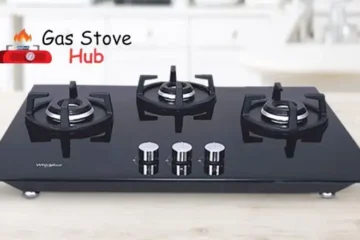

Cleaning gas stove burners is not hard, but it is easy to get wrong. Done properly, it restores a steady blue flame, clears clogged ports, and keeps the igniter working. Done carelessly, with too much water or the wrong cleaner, it can leave you with a burner that clicks and will not light. This guide walks you through the safe way to clean burners, caps, grates, and ports, plus what to do if a burner misbehaves afterward.
How To Clean Gas Stove Burners in 8 Quick Steps
- Turn every control knob off and let the stove cool completely
- Lift off the grates and burner caps
- Soak the grates and caps in warm, soapy water for 15 to 20 minutes
- Scrub them with a non-abrasive sponge or soft brush, then rinse
- Clear each burner port with a straight pin, needle, or small wire
- Wipe the burner base and gently clean the igniter with a barely damp cloth
- Dry every part completely
- Reassemble with the caps flat and centered, then test each burner
The sections below explain each step in detail, including the mistakes that cause most post-cleaning problems.
Why Cleaning Gas Stove Burners Matters
A clean kitchen discourages bacteria, cockroaches, and germs, but burners deserve special attention because they affect how safely and efficiently you cook. Food and grease can build up under and around the caps over time, and regular cleaning helps keep flames even and ignition reliable.
Dirty burners can cause:
- Uneven or weak flames
- Burners that click but do not light
- Yellow or orange flames instead of blue ones
- Slow ignition and wasted gas
If your stove has electronic ignition, clean burners also help the spark work as intended. See my guide on the Auto Ignition Gas Stove to learn how the system works.
How Often Should You Clean Gas Stove Burners
How often depends on how much you cook. As a general rule, wipe spills as soon as the stove is cool and do a fuller clean every week or two. Tom’s Guide suggests cleaning the stovetop about once a week for regular use, and you can see its approach in the Tom’s Guide Gas Stove Top Cleaning Guide.
| How Often | What To Do |
|---|---|
| After every use | Wipe spills and splatter once the stove is cool |
| Weekly or after heavy cooking | Wash the grates and burner caps, and check that the ports are clear |
| Monthly | Clean the ports, the igniter area, and the burner base thoroughly |
| After a boil-over | Clean the affected burner promptly and let it dry fully before lighting |
Safety Precautions
Before cleaning your gas stove burners, make sure the stove is completely cool. After long cooking sessions that can take a while, so check by touch before you start. Follow these simple steps first:
- Turn every control knob to the off position. Whirlpool also advises turning off the gas valve before removing parts if your range has a standing pilot light, and closing the gas shut-off valve is a sensible extra step if you prefer.
- Let the stove cool completely so that you do not get burned by a hot burner or grate.
- Remove Flammable Items such as cooking oil, paper towels, and kitchen towels from the area.
- Check your owner’s manual for model-specific instructions before removing any parts.
What Not To Use on Gas Burners
Appliance makers are consistent on this point. Whirlpool, KitchenAid, and Maytag all advise against oven cleaners, bleach, and rust removers on gas burners, and against wooden toothpicks for clearing ports because a toothpick can snap off and block gas flow. You can read the details in the Whirlpool Cleaning Gas Cooktop Burners and Ports Guide.
How To Clean Gas Stove Burners With All Tools and Materials
To clean gas stove burners effectively, gather these items first.
Warm, Soapy Water

Fill a basin with warm water and mix in a mild dish soap or kitchen cleaner. You will use this to soak and wash the removable parts.
Non-Abrasive Sponge or Soft Brush

These let you scrub away grease without scratching the surfaces of the burner parts.
Paperclip, Straight Pin, or Small Soft Brush

This is for cleaning the small holes, or ports, on the burner heads. A straightened paperclip, a straight pin, a needle, or a small-gauge wire all work well. Avoid wooden toothpicks.
Baking Soda for Stubborn Residue
A paste of baking soda and a little water is a gentle way to lift baked-on grease. Maytag lists baking soda as an optional extra in its Maytag Gas Stove Grates and Burners Guide.
Old Toothbrush and Microfiber Cloths
A toothbrush reaches grooves and crevices, and microfiber cloths dry parts without leaving lint.
Steps on How To Clean Gas Stove Burners
Follow these steps for the most effective way to clean gas stove burners.
Safety First
Make sure every control is off and the stove has cooled completely. Remove any flammable items from the area and wear protective gloves if you like.
Remove Burner Grates
Lift the burner grates off the stove. Depending on your model, you may need to unscrew or detach them.
Soak the Burner Grates
Fill a sink or basin with warm, soapy water. Submerge the grates and let them soak for about 15 to 20 minutes. This helps loosen built-up grease and debris.
Scrub the Burner Grates
After soaking, scrub the grates with a non-abrasive sponge or soft brush, paying attention to stubborn stains. Rinse thoroughly with clean water and dry them completely before they go back on the stove.
Remove the Burner Caps and Heads
Gently lift the burner caps and heads off the stove. Refer to your user manual for instructions specific to your model, and be careful not to damage the gas tube opening or the ignition system. Note which cap belongs to which burner, since some caps are marked underneath.
Soak and Scrub the Burner Caps
Place the caps in a bowl of warm, soapy water for 15 to 20 minutes. Use a soft brush or toothbrush to scrub away residue, then rinse and dry completely. Check your manual first, because some manufacturers say not to wash burner caps in the dishwasher or clean them in an oven self-cleaning cycle.
Clean the Burner Ports
Clogged ports cause weak, uneven flames, so this step matters more than it looks. Use a straight pin, needle, small-gauge wire, or straightened paperclip to clear each port.
How To Clear a Clogged Burner Port
- Hold the burner head steady on a towel
- Push the pin or needle gently into each port and wiggle it to dislodge debris
- Brush loose residue away with a dry toothbrush
- Take care not to enlarge or damage the ports
Clean the Igniter and Gas Tube Opening
The igniter is the small ceramic nub beside each burner. Whirlpool advises cleaning it gently with a damp cloth, and it is safest to keep this area as dry as possible. Wipe it carefully, never pour or spray liquid on it, and clear any visible food from the gas tube opening under the burner base.
Wipe the Stove Surface
While the parts dry, wipe the stove surface with a damp cloth or sponge to remove loose debris and spills. Take care around the gas ports and the igniter so that moisture does not get in.
Dry Everything Completely
Dry each part with a microfiber cloth, then let everything air dry for a while before reassembling. Moisture trapped under a cap or near the igniter is the most common reason a burner will not light after cleaning.
Reassemble the Burners
Once everything is dry, put the burner heads and caps back on the correct burners, making sure each cap sits flat and centered. Place the clean grates back on top and check that they are stable.
Final Touches and Flame Test
Give the stove a final wipe with a dry cloth, then light each burner in turn. A healthy flame is mostly blue and even all the way around the cap. If you need to light a burner manually, see my guide on the Gas Stove Lighter.
How To Clean Different Parts of a Gas Stove
Cast Iron Grates
Cast iron holds baked-on grease well but can rust if left wet. Soak the grates, scrub gently, and dry them completely right away. Some Whirlpool cooktops have dishwasher-safe cast iron grates, while uncoated cast iron may need special care, so check your owner’s manual. Whirlpool’s own Whirlpool Guide to Cleaning Stove Burners and Grates covers this in more detail.
Burner Caps and Burner Bases
Caps protect the base underneath from spills. Clean them with a non-abrasive pad and mild cleaner, and wipe the base with a cloth that is only lightly damp. Never submerge the base, because it connects to the gas tube and the igniter.
The Cooktop Surface and Control Knobs
Wipe the surface with warm, soapy water, then rinse and dry. Use an old toothbrush around knobs and grooves to remove grease and fingerprints.
How To Remove Burnt-On Grease and Stubborn Stains
Baking Soda Paste Method
- Mix baking soda with a little water to form a thick paste
- Spread it over the stained part and let it sit for 10 to 15 minutes
- Scrub gently with a soft brush or non-abrasive pad
- Rinse the paste off completely, since Whirlpool warns that leftover paste can harm some finishes
- Dry the part thoroughly
Melted Plastic on a Burner or Grate
Let the plastic cool and harden, then lift it off with a plastic scraper rather than a metal tool. Check your manual for model-specific advice, as KitchenAid covers this in its KitchenAid Gas Stove Burner Cleaning Guide.
Burner Not Lighting After Cleaning
This is the most common problem after a deep clean, and it usually has a simple fix. Moisture on the igniter, a cap sitting off-center, or leftover residue in the ports account for most cases.
| Symptom | Likely Cause | What To Try |
|---|---|---|
| Clicks but no flame | Wet igniter or wet burner cap | Wipe both with a dry cloth and let the burner air dry |
| Will not light or lights unevenly | Cap off-center or the wrong cap on the burner | Lift the cap and reseat it flat, matching caps to burners |
| Weak flame on one side | Clogged ports | Clear the ports with a pin or needle |
| Keeps clicking | Moisture or a faulty ignition module | Dry fully, and call a technician if it continues |
| Yellow or orange flame | Residue or blocked ports | Clean the ports again, and call a technician if it persists |
Why Is My Gas Stove Clicking But Not Lighting After Cleaning
Clicking means the igniter is sparking, but something is stopping the flame. Repair guides commonly point to a wet igniter, a misaligned burner cap, or blocked ports. Wipe the igniter dry, reseat the cap, clear the ports, and try again.
How Long Does a Wet Igniter Take To Dry
It depends on how wet it got. Light dampness may clear in 15 to 30 minutes, while a soaked burner can take several hours or overnight. Do not keep trying to light a burner that is still wet, and do not use a hair dryer or open flame to speed things up.
When To Call a Professional
If you smell gas, leave the area and call your gas provider from outside. If the burner is clean, dry, and properly seated but still will not light, the igniter or spark module may have failed, and repairing it means working near live gas. My Auto Ignition Gas Stove Problems and Fixes section explains how to tell a failed igniter from a wet one.
Common Cleaning Mistakes To Avoid
- Using oven cleaner, bleach, or rust remover on burners
- Clearing ports with wooden toothpicks that can break off inside
- Soaking or spraying the igniter and burner base
- Putting burner caps in the dishwasher or an oven self-clean cycle when the manual says not to
- Scrubbing with steel wool or harsh abrasives that scratch finishes
- Reassembling parts while they are still damp
- Putting caps back on the wrong burners or slightly crooked
How To Keep Gas Burners Clean Longer
- Wipe spills as soon as the stove is cool
- Use lids to reduce splatter and match pot size to burner size
- Boil water in a kettle to avoid boil-overs, as explained in my Electric Tea Kettle vs Stove Top comparison
- Consider a stovetop protector, but read Is Stove Guard Worth It first to understand the fit and fire safety concerns
About This Guide and How It Was Prepared
This guide follows cleaning and safety guidance published by major appliance makers, including Whirlpool, KitchenAid, and Maytag, along with common troubleshooting advice from appliance repair resources. It is general information and not a substitute for your stove’s owner’s manual, which always takes priority for your specific model.
Safety note: If you smell gas, leave the building and call your gas provider or emergency number from outside. Yellow or orange flames that persist after cleaning can indicate incomplete combustion, which can raise carbon monoxide, so see the CPSC Carbon Monoxide Questions and Answers page and have the stove inspected.
Conclusion
Regular cleaning of gas stove burners improves efficiency, flame quality, and safety. Follow the step-by-step process, keep water away from the igniter, and dry every part before reassembly, and your burners should light quickly and burn evenly. If you found these tips useful, share them with someone who is cleaning a gas stove for the first time.
Frequently Asked Questions About Cleaning Gas Stove Burners
How often should I clean gas stove burners?
Wipe spills after each use and do a fuller clean every week or two, depending on how much you cook. A monthly deep clean of the ports and igniter area keeps ignition reliable.
Can you soak gas stove burners in water?
You can soak removable grates and burner caps in warm, soapy water for 15 to 20 minutes. Do not soak or spray the burner base or igniter, and dry every part completely before reassembling.
Can you put gas stove burners or grates in the dishwasher?
Only if your manual says so. Some cooktops have dishwasher-safe cast iron grates, but many manufacturers say not to wash burner caps or clean ports in the dishwasher.
What is the best way to clean clogged gas burner ports?
Use a straight pin, needle, or small-gauge wire to clear each port, then brush the debris away. Avoid wooden toothpicks because they can break off and block gas flow.
What is the best homemade cleaner for gas stove burners?
Warm, soapy water handles most grease, and a baking soda paste helps with stubborn residue. Rinse the paste off completely and dry the parts. Avoid harsh chemicals such as oven cleaner and bleach.
How do I clean a gas stove igniter?
Wipe it gently with a barely damp cloth or brush it with a dry soft toothbrush, then let it dry fully. Never spray or pour liquid directly onto it.
Why won’t my gas burner light after cleaning?
The usual causes are a wet igniter, a burner cap that is off-center or on the wrong burner, or residue left in the ports. Dry everything, reseat the cap flat, clear the ports, and test again.
Why is my flame yellow or orange after cleaning?
Residue in the ports or a misaligned cap can disturb the air and gas mix. Re-clean the ports and reseat the cap. If the flame stays yellow or orange, have the stove checked by a qualified technician.
Is it safe to clean a gas stove with the gas on?
Make sure every control is off and the stove is cool. If your range has a standing pilot light, turn off the gas valve before removing parts. Many people also close the shut-off valve for extra caution.
How do I get burnt-on grease off gas stove grates?
Soak the grates in hot, soapy water, apply a baking soda paste to stubborn spots, scrub gently, rinse, and dry completely. Dry cast iron right away to prevent rust.
Related Articles:
How Does a Gas Stove Lighter Work
Auto Ignition Gas Stove: Pros, Cons, Safety and Buying Guide