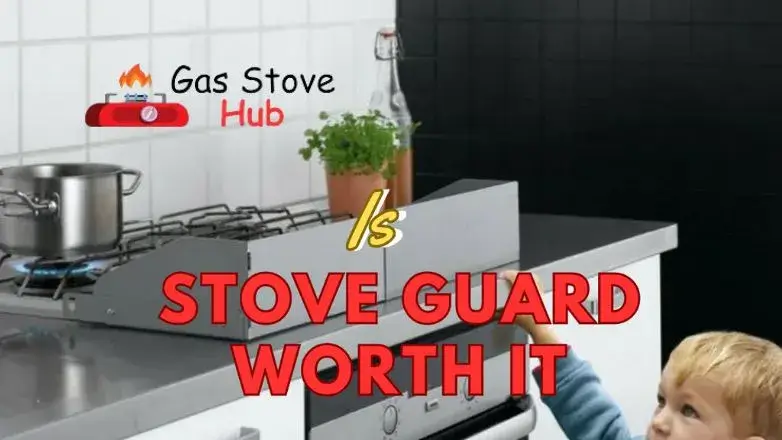
Is a stove guard worth it? The honest answer depends on which kind you mean, because the term covers three very different products: stovetop protector covers that keep spills off your cooktop, automatic shut-off devices that turn the stove off when nobody is watching, and physical child safety guards. This guide compares all three so you can decide before you spend any money.
Last Updated: September 30, 2026. This guide was rewritten to cover both stovetop protector covers and automatic shut-off stove guards, with current fire safety data, safety rules, cost ranges, and a buying checklist.
Is Stove Guard Worth It? Quick Answer
Automatic shut-off stove guards are worth it for households with young children, older adults, memory loss, or a habit of forgetting the stove. Stovetop protector covers are worth it only if you cook often, own a hard-to-clean gas range, and choose a well-fitted, heat-rated product that you use with the right clearance around each burner. Neither one replaces staying in the kitchen while you cook.
| Type | What It Does | Worth It If | Think Twice If |
|---|---|---|---|
| Stovetop Protector Covers | Catch spills and grease around the burners | You cook daily and hate scrubbing burnt-on messes | You have a glass top or induction stove, or cannot get a snug, heat-rated fit |
| Automatic Shut-Off Devices | Turn off the stove or the gas after no motion or a set time | You live with children, older adults, or someone with memory loss | Your stove type is not supported or you cannot arrange proper installation |
| Child Safety Guards and Knob Covers | Physically block access to knobs or the cooking surface | Toddlers or curious pets share the kitchen | You expect them to prevent unattended cooking fires |
What Is a Stove Guard
People use the phrase stove guard for several different things, which is why search results and product reviews can feel confusing. Knowing which type you are comparing is the first step to deciding whether a stove guard is worth it.
Stovetop Protector Covers
These are custom-cut or trim-to-fit mats that sit around your burners and catch grease, spills, and splatter. Brands such as StoveGuard sell them, and generic burner liners are also common. Their job is cleanliness and protecting the finish, not fire prevention. You can visit the StoveGuard Official Website to see how one popular brand describes its products.
Automatic Shut-Off Devices
These devices monitor the stove with sensors or timers and cut power or the gas supply if the stove is left on too long or nobody is nearby. They are designed to reduce the risk of accidental fires and burns in the kitchen.
Child Safety Guards and Knob Covers
Some households use physical barriers or knob covers that stop small hands from reaching the controls or the cooking surface. They help with curious children but do not react to a pot left burning.
How Does Stove Guard Work
How Stovetop Protector Covers Work
A protector sits flat on the cooktop and around the base of each burner, with cutouts for the burner heads. Spills land on the mat instead of the stove, and you lift it off to wipe or wash it. Because it sits close to open flames on a gas range, fit and heat rating matter a great deal.
How Automatic Shut-Off Stove Guards Work
Shut-off stove guard features differ by manufacturer and model. Some are built into the stove from the start, while others are installed afterward. On electric stoves they typically connect to the stove’s power supply. On gas stoves they control a gas valve, and professional installation is usually needed. Most are managed through a control panel or app.
There are three main types, and many products combine them.
Heat-Sensitive Guards
A heat-detecting sensor watches for excessive heat or prolonged cooking near the stove. When the temperature climbs toward a potential fire hazard, the device cuts the power or gas supply automatically.
Motion-Sensing Guards
A motion sensor tracks movement in the cooking area. If nobody is detected for a set period, commonly a few minutes, the guard assumes the stove has been forgotten and shuts it off. Moving around the kitchen typically resets the countdown, so normal cooking is not interrupted.
Guards With Built-In Timers
You set a timer, and when it expires the guard turns the stove off whether or not anyone is nearby. This is useful for slow simmering and for preventing accidents caused by forgetfulness or distraction. Some models let you choose between motion mode and timer mode.
Read Also: Auto Ignition Gas Stove: Pros, Cons, Safety and Buying Guide
Benefits of Stove Guards
Here are the key advantages, split by the type of stove guard that delivers them.
Easier Cleaning and a Protected Cooktop
This is the main benefit of protector covers. Boil-overs and grease land on a mat you can wash, so the cooktop stays cleaner and burnt-on residue is less of a chore. Happy owners often describe wiping the stove far less often. If you still need to deep clean, see my guide on How To Clean Gas Stove Burners.
Fire Prevention
Automatic shut-off guards target the biggest cooking fire risk. According to the NFPA Cooking Safety Page, kitchen and cooking equipment was involved in an estimated 48 percent of home structure fires from 2020 to 2024. Ranges and cooktops account for just over half of home cooking fire incidents, and unattended equipment is a factor in about one quarter of them and roughly half of the deaths.
A guard that shuts the stove off when nobody is around directly addresses that pattern. This is especially valuable in households with children or older adults.
Burn Prevention
Shut-off guards and child guards can reduce burns from touching hot surfaces or pulling pots off the stove. Monitoring temperature or movement lets the device intervene before someone gets hurt, which matters most for young children who are curious and unaware of the dangers.
Increased Safety for Vulnerable Individuals
People with disabilities or cognitive impairments may forget to turn the stove off. Shut-off devices act as a safeguard, and some models include caregiver locks or remote alerts that give families extra peace of mind. Caregivers commonly cite this as the main reason they install one.
Peace of Mind
Knowing a guard is in place makes it easier to step away for a moment, answer the door, or leave the house without worrying about the stove. That reassurance is real, but it should never become a reason to walk away from active cooking.
Possible Insurance Savings
Some insurers offer discounts for safety devices, but this is not guaranteed and varies by company and region. Ask your insurance provider whether a stove shut-off device qualifies before you count on any savings.
Limitations of Stove Guards
Along with the benefits, stove guards have limitations. Here are the drawbacks to weigh honestly.
Fire and Heat Risks With Protector Covers
Covers are not fireproof. Many manufacturers rate them up to about 500 degrees Fahrenheit and warn against direct flame contact, and some tell you to trim the cutouts at least half an inch away from the flame. Public review platforms show mixed feedback on the StoveGuard brand. You can read customer experiences on StoveGuard Reviews on Trustpilot and the Better Business Bureau Complaints Page.
Some buyers praise easy cleanup, while others report poor fit, long delivery waits, and, in a number of cases, covers burning or catching fire during use. These are unverified customer accounts, so treat them as a reason to research current reviews rather than as proven fact about any single product.
Poor Fit and Limited Coverage
A cover that does not match your stove leaves gaps or blocks parts of the burner. Some customers report that a cover looked like it protected the entire surface but only covered part of it. Always confirm your exact model and burner layout before ordering.
False Alarms
Shut-off guards can trigger unnecessary shutdowns. Steam, cooking smoke, or certain cooking techniques may confuse a sensor. False alarms are frustrating and may lead people to disable or ignore the guard, which defeats its purpose.
Detection Limitations
Different guards detect different hazards. A heat-sensitive guard may miss a small flame or a low-temperature fire, and a motion-sensing guard may not react when someone is standing near the stove but not moving. Understand the specific capabilities of the product you choose so it matches your safety needs.
Compatibility and Installation
Not every stove guard fits every stove. Some shut-off devices list electric stoves only, so check current compatibility for gas, electric, and induction models. Gas versions control the gas valve and typically call for a qualified installer, as described on the iGuardStove Gas Stove Page. Protector covers generally suit gas and electric coil stoves and are not made for glass top, ceramic, or induction cooktops.
Interference With Cooking Activities
If a guard’s timer is set too short, it can shut the stove off while you are still cooking. Balance safety with convenience, and choose a model that lets you extend the timer or switch modes for long simmers.
Cost and Maintenance
Prices range widely, and shut-off devices may need battery replacements, sensor checks, or professional service. Covers wear out and need replacing when they tear, warp, or discolor.
How Much Does a Stove Guard Cost
Prices change often, so use these as rough guides at the time of writing.
- Generic burner covers and liners: often under 10 dollars per set
- Custom-fit protector sets from specialist brands: roughly 150 to 300 dollars for premium versions
- Automatic shut-off devices: varies by model, and gas versions may add installation costs
Ask yourself what you are paying for. A 300 dollar cover buys convenience and cleaner burners. A shut-off device buys a layer of protection against forgotten cooking.
Stove Guard Safety Rules
Follow these rules whichever stove guard you choose.
- Follow the manufacturer’s clearance instructions around each burner
- Never place a cover over a hot or lit burner
- Stop using a cover that is torn, warped, scorched, or curling
- Keep oversized pots from pushing flame onto the cover
- Do not block burner ports, air openings, or vents
- Test any shut-off device regularly and replace its batteries on schedule
- Have a qualified professional install gas shut-off devices
Can You Cover a Gas Stove When Not in Use
Be careful. A full cover left over the burners can hide an accidentally turned knob, and gas released under a cover can build up. If you use a cover, make sure every knob is off and remove the cover before you start cooking.
Can You Use Aluminum Foil as a Stove Protector
Disposable foil liners are sold for burners, but they must never block burner ports or air openings, and they need proper clearance from the flame. The U.S. Consumer Product Safety Commission also advises never covering the bottom of a natural gas or propane oven with foil, as noted in its CPSC Carbon Monoxide Questions and Answers page.
How To Choose the Right Stove Guard
Checklist for Stovetop Protector Covers
- Confirm the exact model and burner layout of your stove
- Check the heat rating and the manufacturer’s clearance guidance
- Choose fiberglass with a PTFE coating over silicone for gas ranges
- Read recent reviews and the return policy before buying
Protector Materials Compared
| Material | Heat Limit | Gas Stove Notes |
|---|---|---|
| Fiberglass with PTFE coating | Around 500 degrees Fahrenheit for most products | Common choice for gas, used with clearance from the flame |
| Silicone | Often rated 400 to 500 degrees Fahrenheit | Flexible, but public reports of scorching or ignition near active burners |
| Disposable aluminum foil liners | Not applicable | Cheap, but can block ports or air openings if cut or placed wrongly |
Checklist for Automatic Shut-Off Devices
- Confirm it supports your stove type, gas or electric
- Decide between motion sensing, a timer, or a model that offers both
- Look for adjustable timers, audible warnings, and easy resets
- For seniors, consider caregiver locks and remote alerts
- Ask whether professional installation is required and what it costs
Who Should Buy a Stove Guard
A Stove Guard Makes Sense If
- You care for a child, older adult, or someone with memory loss
- You have a history of walking away from the stove
- You cook daily and want an easier cleanup routine
You Can Probably Skip It If
- You have a glass top or induction stove and were considering a burner cover
- You rarely cook and clean spills right away
- You cannot get a reliable fit or installation for your model
Stove Guard Alternatives and Extra Safety Habits
A stove guard works best alongside good habits. The American Red Cross notes that leaving the stove unattended is the top reason for cooking fires, and it recommends staying in the kitchen and using a timer. Its American Red Cross Cooking Fire Safety Tips are a good place to start.
- Use a kitchen timer whenever the stove or oven is on
- Keep towels, packaging, and curtains away from burners
- Turn the stove off if you must leave the kitchen, even briefly
- Install working smoke alarms near the kitchen
- Use appliances with built-in automatic shut-off for simple tasks, such as boiling water
That last point is worth a look if you mostly boil water. My comparison of an Electric Tea Kettle vs Stove Top explains when a kettle is the safer everyday choice.
About This Guide and How It Was Prepared
This guide is based on published fire safety data from the NFPA and the American Red Cross, safety guidance from the U.S. Consumer Product Safety Commission, manufacturer product information, and customer feedback on public review sites. It is not based on laboratory testing of individual products, and customer reviews reflect personal experiences that we have not verified. Prices, compatibility, and product features change, so confirm current details with the manufacturer before you buy.
Safety note: A stove guard reduces risk but does not remove it. Follow your stove’s manual and local codes, use a qualified installer for anything connected to gas, and never leave cooking food unattended.
Conclusion
In the quest for kitchen safety, stove guards offer valuable benefits but also come with limitations. Automatic shut-off guards address the biggest cause of cooking fires, which is unattended cooking, and are worth serious consideration for homes with children or older adults. Stovetop protector covers are a convenience product that can pay off for heavy cooks, but only when the fit, heat rating, and clearance are right. Consider your specific needs and circumstances before deciding if a stove guard is worth it for your home.
Frequently Asked Questions About Stove Guards
Is a stove guard worth it?
It depends on the type. Automatic shut-off guards are worth it for households at higher risk of unattended cooking. Protector covers are worth it mainly for frequent cooks who want easier cleaning and who choose a well-fitted, heat-rated product.
Are stove guards safe on gas stoves?
They can be when you follow the clearance guidance, use a heat-rated material, and never place a cover over a lit burner. Shut-off devices for gas stoves control the gas valve and should be professionally installed.
Can stove top protectors catch fire?
Yes, it is possible. Covers are not fireproof, and customers report scorching or fires in some cases, especially with silicone products, oversized pots pushing flame onto the mat, or poor clearance. Stop using a cover that is damaged or discolored.
Do stove top protectors work on glass top or induction stoves?
Most burner covers are made for gas and electric coil stoves and are not designed for glass top, ceramic, or induction cooktops. Check the product page for your stove type before buying.
How long do stove protectors last?
Retailers often estimate a lifespan of roughly one to three years for fiberglass PTFE covers, depending on thickness and how often you cook. Replace any cover that tears, warps, or scorches sooner.
Do automatic stove shut-off devices work on gas stoves?
Some do, and some do not. Gas models control a gas valve and usually need a qualified installer, while certain devices are listed for electric stoves only. Always check current compatibility.
How does an automatic stove shut-off guard work?
It uses a motion sensor, a timer, or heat sensing to decide when the stove has been left alone or on for too long. It then cuts power or closes the gas valve. Some models let you restart with a button press and adjust the timing.
What is the best stove guard for elderly people or dementia?
Look for a shut-off device with motion sensing, an audible warning, easy caregiver control, and remote alerts if possible. Confirm it supports your stove type and get professional installation for gas.
Some insurers offer discounts for approved safety devices, but it is not guaranteed. Ask your provider before you buy.
How do I childproof a gas stove?
Use knob covers or a physical guard, turn pot handles inward, use the back burners first, and consider a shut-off device. If your stove has a child lock, turn it on. Modern stoves also help, as covered in my guide to the Auto Ignition Gas Stove.
Read More: Gas Stove Hub