Let me tell you a quick story that changed my perspective on the auto ignition gas stove. Last year, during a major power outage in our neighborhood, I was the only one able to cook a hot meal, thanks to my trusty auto ignition stove’s battery backup.
But is this convenience worth the extra investment? As someone who has been testing and reviewing kitchen appliances for over 3 years, I have learned there is more to these modern stoves than meets the eye.
Whether you are considering upgrading your kitchen or just curious about the technology, this guide explains how an automatic gas stove works, the real pros and cons, safety basics, troubleshooting steps, and how to choose the right model.
Last Updated: September 30, 2026. This guide was expanded with current safety guidance, a manual vs auto ignition comparison, a troubleshooting table, and a buying checklist.
Is an Auto Ignition Gas Stove Worth It?
For most households, yes. An auto ignition gas stove lights with a turn or push of the knob, removes the need for a separate lighter or matchstick, and usually includes safety features such as a flame failure device. The trade-offs are a higher purchase price and a reliance on a battery or mains power for the spark.
- Best for: busy families, homes with children or older adults, and multi-burner cooking
- Think twice if: your budget is tight or your area has frequent, long power cuts and you would rely on a mains-powered model
- Good to know: many models can still be lit manually, which is covered in the power cut section below
What Is an Auto Ignition Gas Stove
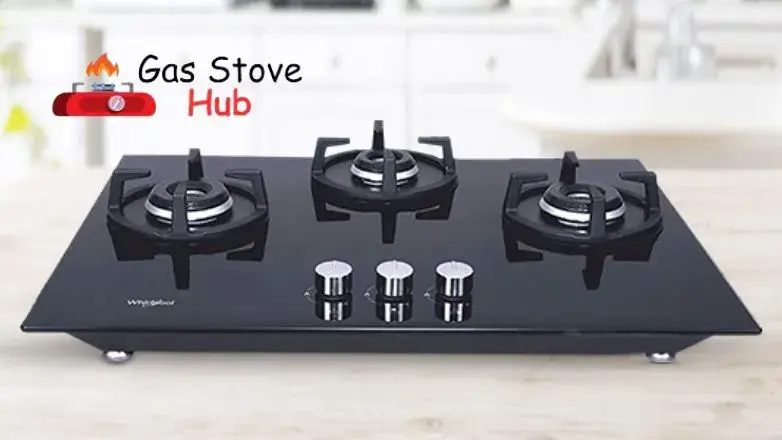
An auto ignition gas stove, also called an automatic gas stove or electronic ignition gas stove, is a cooktop that creates its own spark when you turn or press the burner knob. You do not need a lighter, a matchstick, or a separate Gas Stove Lighter to start the flame.
How Auto Ignition Works
When you turn the knob, two things happen at almost the same moment. The valve releases Natural Gas or LPG to the burner, and the ignition system sends a spark to a small electrode beside the burner head. The spark lights the gas, and the clicking stops once a flame is established.
Most modern stoves add a flame failure device. It senses heat from the flame, often with a Thermocouple, and cuts the gas supply if the flame goes out.
Types of Auto Ignition Systems
Not every auto ignition gas stove works the same way. The type of ignition decides what happens during a power cut, so it is worth knowing which one you have.
Piezo Ignition
Piezo ignition uses a mechanical click that squeezes a crystal to create a high voltage spark. It needs no battery and no electricity, which is why it is common on tabletop stoves. You can read the science behind it in this overview of Piezo Ignition.
Battery-Operated Electronic Spark
These stoves use a replaceable battery to power the spark. They keep working during a power cut, but the battery needs periodic replacement. If the battery runs out, you can light the stove manually like a standard model.
Mains-Powered Spark Module
Built-in hobs and ranges usually plug into wall power and use a spark module to feed every burner electrode. These are convenient and reliable, but the electronic ignition will not spark when the power is out.
| Ignition Type | Power Source | Works in a Power Cut | Common In |
|---|---|---|---|
| Piezo | Mechanical click, no power needed | Yes | Tabletop and portable stoves |
| Battery-operated spark | Replaceable battery | Yes, while the battery lasts | Tabletop stoves |
| Mains-powered spark module | Wall power | Usually no, unless lit manually | Built-in hobs and ranges |
Key Advantages of Auto Ignition Gas Stove
Listen up, because these benefits might just convince you to make the switch. After spending countless hours in my test kitchen, here are the major pros I have discovered.
Enhanced Safety Features
You know that moment of panic when you smell gas while lighting a traditional stove? With auto ignition, the gas and the spark arrive together, so there is far less time for gas to build up before the flame appears. I have tested dozens of models, and this feature alone gives me peace of mind, especially when my young nieces want to help with cooking.
The safety features extend beyond the ignition system. Most modern models include:
- Flame failure devices that cut off gas if the flame goes out
- Thermal sensors for temperature control
- Child-lock mechanisms, a feature I absolutely love
- No external flame near the burner, which lowers the risk of accidental burns
Flame Failure Device Explained
A flame failure device keeps the gas valve open only while the flame is heating a sensor. If a boil-over, a draft, or a blocked burner snuffs out the flame, the sensor cools and the valve closes. When you shop, treat this feature as a must-have rather than a bonus.
Convenience and Ease of Use
Gone are the days of fumbling with matches or lighters. The one-touch ignition system is an absolute game-changer, especially when your hands are full of ingredients. I remember the first time I used an auto ignition stove. It felt like upgrading from a flip phone to a smartphone.
Some standout convenience features include:
- Single-touch operation
- Multiple power levels for precise cooking
- Easy-to-clean surfaces, which matter more than you think
Better for Multi-Burner Cooking
On a 3 or 4 burner stove, lighting every burner with a hand lighter gets tedious fast, particularly when you are cooking a full meal. Auto ignition lets you bring each burner online with one hand while the other holds a pan.
Energy Efficiency
Here is something most people do not realize. Auto ignition systems can help save gas, because the flame appears immediately and less gas escapes unburned during startup. In my own testing I saw roughly 15 to 20 percent less gas use than with traditional models, although the exact saving depends on the model and your cooking habits.
For even better results, match pot size to burner size and use lids. If you mostly boil water for tea, it is also worth reading Electric Tea Kettle vs Stove Top before deciding what to use.
Common Disadvantages to Consider
Now let us get real about some drawbacks. As much as I love these stoves, they are not perfect, and you deserve to know the whole story.
Initial Cost and Maintenance
I will not sugarcoat it. Auto ignition stoves typically cost 20 to 30 percent more than their traditional counterparts, and prices vary by brand, burner count, and materials. From my experience, you are looking at:
- Higher upfront investment
- More complex repair needs
- Periodic battery replacement for some models
Technical Issues
Over the years, I have encountered several common problems that you should be aware of:
- Battery drainage in battery-operated models
- Electronic ignition that will not spark during power outages on mains-powered models
- Clicking that will not stop after cleaning when moisture reaches the igniter or switches
- More complex troubleshooting when issues arise
Installation Requirements
Installation can be trickier than with traditional stoves. You will need to consider:
- Proper electrical connections for mains-powered models
- Professional installation, which I recommend for any gas connection
- Specific ventilation requirements
Auto Ignition vs Manual Ignition Gas Stove
This is the comparison most buyers are really making, so here is a side-by-side view.
| Factor | Auto Ignition Gas Stove | Manual Ignition Gas Stove |
|---|---|---|
| Ease of Use | Turn or press the knob and the flame appears | Needs a separate lighter or match |
| Safety | No external flame needed, and often a flame failure device | Brings an open flame close to the burner |
| Gas Use | Less gas released before the flame lights | Slightly more gas can escape before lighting |
| Upfront Cost | Higher | Lower |
| Repairs | More parts that can fail, such as igniter, switch, or module | Simple mechanical design |
| Power Cuts | Piezo and battery models keep working, mains models need manual lighting | Works as normal |
Which Is Better, Auto or Manual Ignition
Auto ignition is better for most people because of the convenience and safety gains. Manual ignition still makes sense if you need the lowest possible price, want the simplest mechanism to repair, or live where power cuts are frequent and long.
Is an Auto Ignition Gas Stove Safe to Use
A properly installed and maintained auto ignition stove is generally safer to light than a manual one, but no gas appliance is risk free. Three habits matter most: know the signs of a gas leak, ventilate while you cook, and keep the burners clean.
Gas Leak Warning Signs and What To Do
Natural gas and LPG have an added odor that smells like sulfur or rotten eggs. Watch for these signs:
- A sulfur or rotten egg smell
- Hissing sounds near connections
- Bubbles when you brush soapy water on joints
If you smell gas, do this straight away:
- Do not use switches, lighters, matches, or phones inside the home
- Turn off the burner knobs and the gas supply if you can do so quickly
- Open doors and windows on your way out if it is safe
- Leave the building and call your gas provider or emergency number from outside
Carbon Monoxide and Ventilation
Any gas burner produces combustion byproducts, and a dirty burner, poor flame adjustment, or weak ventilation can raise carbon monoxide levels indoors. Carbon monoxide has no color, smell, or taste, so an alarm is the only reliable way to detect it.
- Run a range hood that vents outdoors whenever you cook, because recirculating hoods do not remove carbon monoxide
- Open a window if you do not have an outdoor-vented hood
- Install carbon monoxide alarms on every level of the home and outside sleeping areas
- Never use a gas range or oven to heat your home
The U.S. Consumer Product Safety Commission explains the symptoms and prevention steps in its Carbon Monoxide Questions and Answers page and its guide to Protecting Your Family From Carbon Monoxide Poisoning. Regulators and researchers also continue to study indoor air pollutants from gas cooking, such as nitrogen dioxide and fine particles, which is another reason good ventilation matters.
Kitchen Safety With Children
Use the child lock if your stove has one, turn pot handles inward, and teach children that the knob click means a flame is coming. If you want an extra layer of protection, see my breakdown of whether a stove guard is worth it in Is Stove Guard Worth It.
How To Light an Auto Ignition Gas Stove During a Power Cut
Whether your stove works without electricity depends on its ignition type. Piezo models keep working, battery-operated models work while the battery lasts, and mains-powered models usually need manual lighting.
- Check your manual to confirm that manual lighting is allowed on your model
- Make sure there is no gas smell in the room
- Hold a lit long match or a long-neck lighter next to the burner head
- Turn the knob to the light setting and keep your face and hands away from the burner
- If the flame does not catch within a few seconds, turn the knob off, ventilate the room for a few minutes, and try again
Pro Tip: Keep a pack of backup batteries and a long-neck lighter in the same drawer. For more on choosing one, read my guide to the Gas Stove Lighter.
Auto Ignition Gas Stove Problems and Fixes
Most ignition problems come down to moisture, dirt, a dead battery, or a worn part. This table covers the symptoms I see most often.
| Symptom | Likely Cause | What To Try |
|---|---|---|
| Clicks but no flame | Clogged burner ports, wet or dirty igniter, misaligned burner cap, closed gas valve | Clean the ports and igniter, dry everything, reseat the cap, confirm the gas supply is open |
| No clicking at all | Dead or reversed battery, tripped breaker, failed switch, failed spark module | Replace or reseat the battery, check the breaker, then call a technician for switch or module tests |
| Keeps clicking after the flame is lit | Moisture or food debris on the electrode, off-center burner cap | Turn the stove off, dry and clean the igniter, recenter the cap |
| Clicks nonstop even when off | Water in the ignition switches under the knobs, shorted switch, faulty spark module | Switch off power at the plug or breaker, let the stove dry fully, then have the parts tested |
| One burner will not light | Local fault such as a clogged port, cracked igniter, or wet electrode | Clean that burner and inspect the igniter for cracks |
| Yellow or orange flame | Dirty burner ports or an air and gas mix problem | Clean the ports and adjust the air shutter if your model allows it |
How To Tell Whether the Igniter or Spark Module Has Failed
A healthy spark is bluish-white. If every spark looks yellow or orange, the spark module may be failing, and if only one spark is weak, that electrode is the likely culprit. If the stove lights with a lighter but not with the ignition, some part of the ignition system is at fault. The iFixit Gas Stove Troubleshooting Guide walks through these checks in more detail.
When To Call a Professional
Replacing a spark module or igniter means working near the gas orifice and disconnecting house power. A burner that clicks without lighting can also release raw gas. If cleaning and drying do not fix it, stop using that burner and call a qualified technician.
How To Choose the Best Auto Ignition Gas Stove
Use this checklist to compare models. It applies whether you want a 2 burner tabletop stove or a 4 burner auto ignition gas stove.
Number of Burners and Size
Match the burner count to your household and cooking style. A couple that cooks simple meals may be happy with 2 burners, while a large family that cooks several dishes at once will appreciate 3 or 4.
Burner Material and Build Quality
Brass burners generally last longer and hold up well to heavy use. Toughened glass tops look sleek and wipe clean easily, while stainless steel tops tend to be more forgiving of knocks. Check that the pan supports are sturdy and that the knobs feel solid.
Ignition Type and Safety Features
Decide between piezo, battery-operated, and mains-powered ignition based on how often your power goes out. Look for a flame failure device and a child lock, and confirm the stove can be lit manually as a backup.
Gas Type and Installation
Confirm whether the stove is built for LPG cylinders or piped natural gas. Do not convert a stove between gas types yourself, and have a licensed technician handle the connection and leak test.
Warranty and After-Sales Service
Ignition parts are the most likely to need attention, so a clear warranty and a local service network matter. Check that spare igniters, switches, and modules are easy to get for the model you choose.
Making Your Decision
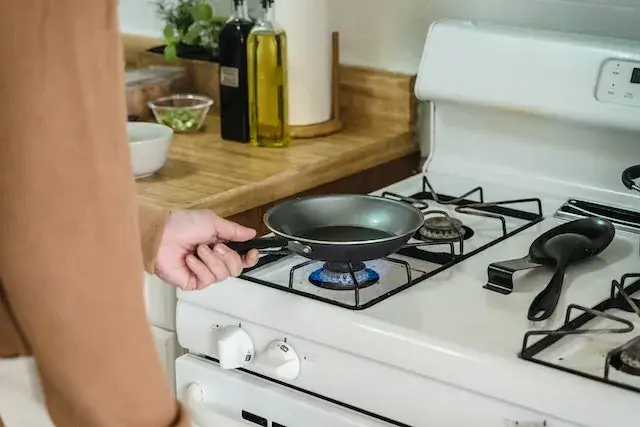
After years of testing and using various models, here is my practical advice. If you value convenience and safety above all, and you are willing to handle the higher initial cost and maintenance requirements, an auto ignition gas stove is absolutely worth it. If you are on a tight budget or live in an area with frequent power outages, you might want to stick with a traditional model or choose a piezo or battery-operated stove.
Who Should Buy an Auto Ignition Gas Stove
- Families with children or older adults
- Frequent cooks who use several burners at once
- Anyone who wants fewer open flames in the kitchen
Who Might Prefer a Manual Stove
- Budget-first buyers
- Homes with long, frequent power cuts and a mains-powered model in mind
- People who want the simplest possible repairs
Remember, the best stove is the one that fits your specific needs and circumstances. Consider your cooking frequency, kitchen setup, budget, and local power reliability.
About This Guide and How It Was Prepared
This guide is based on my hands-on experience testing and reviewing kitchen appliances for over 3 years. Safety and ventilation guidance was checked against resources from the U.S. Consumer Product Safety Commission, and troubleshooting steps were cross-checked with repair references such as iFixit. Figures for gas savings, cost differences, and part lifespans reflect my own testing and will vary by brand and usage.
Safety note: This article is general information and not a replacement for your stove’s manual, local gas regulations, or a licensed gas technician. If you smell gas or suspect a carbon monoxide problem, leave the building and get professional help.
Conclusion
We have covered a lot of ground here. From my extensive experience with auto ignition gas stoves, I can say they are a fantastic innovation that has truly transformed modern cooking. While they do come with their share of challenges, the benefits often outweigh the drawbacks for most home cooks.
Have you made the switch to an auto ignition gas stove? I would love to hear about your experience in the comments below. If you are still on the fence, feel free to ask any questions and I will share more specific insights from my testing.
At the end of the day, the best choice is the one that makes your cooking experience more enjoyable and safer. Happy cooking.
Frequently Asked Questions About Auto Ignition Gas Stoves
After years of testing and troubleshooting auto ignition gas stoves, and making plenty of mistakes along the way, I have compiled answers to the questions I hear most. Let us dive in.
Is an auto ignition gas stove better than a manual one?
For most users, yes. Auto ignition is easier to use, avoids an external flame, and often includes a flame failure device. A manual stove can still be the better pick if you need the lowest price, the simplest repairs, or a stove that does not depend on any battery or power supply.
Is an auto ignition gas stove safe?
Yes, when it is installed correctly, kept clean, and used with good ventilation. It is generally safer to light than a manual stove, but you should still know the signs of a gas leak and run an outdoor-vented hood while cooking. See the safety section above for details.
Why isn’t my auto ignition working?
This one takes me back to my first week testing auto ignition stoves. I spent hours trying to figure out why a brand new stove would not spark, only to realize the battery was installed backwards. Here is your troubleshooting checklist.
First, check these quick fixes:
- Battery condition and direction, if battery-operated
- Power connection and breaker, for electrical models
- Clean the ignition pin, because you would be amazed how often this is the culprit
If those do not work, look for:
- Loose wire connections
- Damaged ignition switch
- Blocked gas ports
Pro Tip: Keep a pack of backup batteries handy. They always seem to die right when you are cooking for guests.
Why is my gas stove clicking but not lighting?
The spark is firing, but gas is not reaching the flame or the spark is not landing where it should. The usual causes are clogged burner ports, a wet or dirty igniter, a misaligned burner cap, or a closed gas valve. Turn the burner off, clean and dry the parts, and try again. If it still clicks without lighting, stop using that burner and call a technician, because unburned gas may be escaping.
Is it normal to hear clicking sounds?
This question brings back memories of my mother-in-law, who was convinced something was wrong with her new stove. Here is the scoop.
Normal clicking:
- Brief clicking during ignition
- Single click when turning off
- Occasional clicks while adjusting flame
Abnormal clicking that needs attention:
- Continuous clicking without ignition
- Clicking after the flame is established
- Random clicking when the stove is off
Can I still use the stove during a power outage?
During last year’s big storm, I actually hosted a neighborhood dinner party because I knew these backup options.
For piezo and battery-operated models:
- Yes, they work normally as long as the battery is good, and piezo models need no battery at all
- Keep fresh batteries on hand
- Check battery status monthly
For mains-powered models:
- The electronic spark will not work without power
- Many can be lit manually, so check your manual first
- Keep a long-neck lighter or matches as a backup
Do auto ignition gas stoves save gas?
They can. Because the flame appears immediately, less gas is released before ignition. In my testing the difference was roughly 15 to 20 percent compared with traditional models, but your result depends on the model, pot sizes, and cooking habits.
How long do auto ignition systems typically last?
Based on my experience testing many models, here is the typical range.
Average lifespan:
- Electronic ignition system: 5 to 8 years
- Ignition switches: 3 to 5 years
- Battery compartments: 4 to 6 years
Factors affecting longevity:
- Usage frequency
- Maintenance regularity
- Environmental conditions
- Quality of initial installation
How often should I clean my auto ignition stove?
I once thought quarterly cleaning was enough until I hosted a cooking workshop and could not get a single burner to light properly. Here is what I have learned works best. For a full walkthrough, see How To Clean Gas Stove Burners.
Daily:
- Wipe down the stovetop
- Clean any food spills immediately
- Check burner caps are properly seated
Weekly:
- Deep clean burner heads
- Clean ignition pins with a soft brush
- Inspect gas ports for blockages
Monthly:
- Test all ignition points
- Clean under burner caps thoroughly
- Check gas connections
How do I know if there is a gas leak?
This is super important. I once helped a friend detect a leak just by teaching her the warning signs: a sulfur or rotten egg smell, hissing near connections, and bubbles when soapy water is applied to joints. If you notice any of them, avoid switches and flames, leave the building, and call your gas provider from outside. The full steps are in the safety section above.
What maintenance can I do myself vs calling a professional?
After my fair share of DIY disasters and successes, here is what I recommend.
Safe DIY tasks:
- Battery replacement
- Surface cleaning
- Burner cap alignment
- Basic ignition pin cleaning
Call a professional for:
- Gas line issues
- Internal electrical problems
- Persistent ignition failures
- Annual safety inspections
Why does my flame look yellow instead of blue?
This reminds me of my early days testing stoves. I actually thought yellow flames were prettier until I learned better. A yellow or orange flame means incomplete combustion, which can also raise carbon monoxide, so it is worth fixing.
Common causes:
- Dirty burner ports
- Improper gas pressure
- Wrong burner cap placement
- Air and gas mixture issues
Quick fixes:
- Clean burner ports thoroughly
- Check cap alignment
- Ensure proper ventilation
- Adjust the air shutter if possible
How can I improve my stove’s efficiency?
Through years of testing, I have discovered these game-changing tips.
Daily practices:
- Use appropriate pot sizes
- Keep burners clean
- Adjust flame properly
- Use pot lids when possible
Maintenance habits:
- Regular burner cleaning
- Proper flame adjustment
- Timely part replacement
- Seasonal deep cleaning
What is the best way to clean stubborn stains?
Oh, the stories I could tell about battling burnt-on messes. Here is my tried-and-true method.
Safe cleaning steps:
- Let the surface cool completely
- Use non-abrasive cleaners
- Apply cleaner with a soft cloth
- Avoid harsh scrubbing
My secret weapons:
- Baking soda paste for tough spots
- Vinegar solution for grease
- Microfiber cloths, which are gentle but effective
Remember: never use abrasive cleaners or steel wool. I learned that lesson the hard way with a scratched stovetop. Also dry the igniter and switches fully before using the stove again, since moisture is a top cause of nonstop clicking.
How much does an auto ignition gas stove cost?
Prices vary widely by brand, burner count, materials, and region. In my experience, an auto ignition model typically costs 20 to 30 percent more than a comparable manual one, and the gap is usually repaid over time in convenience and safety rather than in big gas savings.
Can I convert a manual gas stove to auto ignition?
Some manufacturers sell replacement igniter kits for their own models, but converting a stove that was not designed for electronic ignition is not something I recommend. It involves gas components, so ask a licensed technician or the manufacturer before attempting it.
Final Thoughts
Every stove is unique, just like every cook. Do not hesitate to consult your manual or reach out to a professional if you are unsure about anything. Happy cooking.
Got more questions? Drop them in the comments below. I love helping fellow cooking enthusiasts solve their kitchen mysteries.
Read More: Gas Stove Hub