About four in ten U.S. households cook with natural gas, according to the EIA Today in Energy Report on Gas Cooking. Yet most of us take that simple click-click-whoosh for granted until something goes wrong. I will never forget hosting my first dinner party, when my gas stove decided to play the endless clicking symphony. It was a cooking crisis, and it taught me to understand how a gas stove lighter really works.
The phrase gas stove lighter means two things. It can mean the ignition system built into your stove, or the handheld lighter you use to light a burner by hand. This guide covers both, from how they work to the troubleshooting tips I have learned through years of experience with these fascinating devices.
How Does a Gas Stove Lighter Work? Quick Answer
A gas stove lighter makes a high-voltage spark next to the burner at the same moment the knob releases gas. The spark jumps a small gap, ignites the gas and air mixture, and gives you a flame. Many stoves also include a flame failure device that cuts the gas if the flame goes out.
| Meaning | What It Is | Common Types |
|---|---|---|
| Built-In Stove Igniter | The spark system that lights the burner when you turn the knob | Piezo, electronic spark, standing pilot |
| Handheld Gas Lighter | A separate tool you hold to light a burner by hand | Piezo spark, butane long-neck, USB arc, matches |
Understanding the Basic Components of a Gas Stove Lighter
Understanding the components of your gas stove lighter is like getting to know the members of a well-orchestrated band, because each part plays a crucial role in creating the perfect flame. I was completely puzzled by all these parts until a veteran appliance technician broke it down for me.
The Piezo Igniter or Spark Module
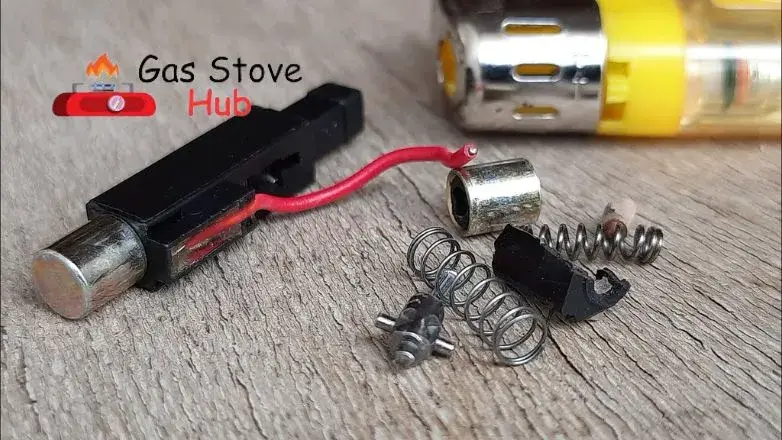
This is the source of the spark, and I think of it as the drummer of the band. A piezo igniter uses pressure on a crystal to produce thousands of volts without any battery or external power. Many newer stoves instead use an electronic spark module that makes the spark from household power or a battery. You can read more about the first kind in this overview of Piezo Ignition.
The Spark Electrode and Spark Gap
The electrode and the spark gap work together like a dynamic duo. The electrode sits close to the burner, and on many stoves the gap is about 1/8 inch, though your model may differ. Getting this gap right is very important. I learned this the hard way after accidentally bumping mine while cleaning and spending an hour wondering why my stove would not light.
The Gas Line and Safety Valve
These are the responsible parents of the operation, making sure gas flows only when it is supposed to. The safety valve will not release gas unless the knob is in the right position. Whoever designed this system clearly thought about our safety.
The Control Knob Mechanism
The knob ties everything together. When you turn it, you start a precise sequence of events: first releasing the gas, then triggering the spark. It is like conducting a tiny orchestra under your stovetop.
The Flame Failure Device
Most modern stoves include a safety device, often built around a Thermocouple, that senses heat from the flame. If the flame goes out, it shuts off the gas.
Types of Gas Stove Ignition Systems
This is where things get really interesting. Through my years of dealing with various gas stoves, I have encountered pretty much every type out there.
Piezoelectric Igniters
These are the reliable old friend of ignition systems. No electricity is needed, just mechanical pressure creating a spark, and they work even during power outages. They are common on tabletop and portable stoves and on some older ranges. The clicking sound you hear is the piezo crystal being struck and releasing energy.
Electronic Spark Ignition
These are the newer kids on the block, and many built-in ranges and cooktops use them. A control module sends voltage to the electrode, which produces the rapid ticking you hear. They are very reliable, but mains-powered versions need electricity. During one particularly nasty storm, my neighbor with an electronic system could not cook, while I was happily making soup on my piezo-equipped stove.
Standing Pilot Lights
These are the vintage vinyl records of the gas stove world. They keep a tiny flame burning constantly, which uses a small amount of gas all the time, but they are incredibly reliable. My grandmother’s stove had one, and it worked flawlessly for decades.
| Ignition Type | Power Source | Works in a Power Cut | Common In |
|---|---|---|---|
| Piezoelectric | None, mechanical click | Yes | Tabletop stoves and some older ranges |
| Electronic Spark | Household power or battery | Battery models yes, mains models usually need manual lighting | Many built-in cooktops and ranges |
| Standing Pilot | Small constant gas flame | Yes | Older ranges |
For a closer look at how electronic ignition compares with manual lighting, see my guide to the Auto Ignition Gas Stove.
How the Ignition Process Works Step by Step
Here is exactly what happens when you turn that knob. I remember being amazed when I first learned about this sequence of events.
Step 1: The Gas Valve Opens
When you push down and turn the knob, you open the gas valve. The gas does not just flood out. A carefully calibrated system releases the right amount, a bit like turning on a garden hose with very good pressure control.
Step 2: The Spark Is Generated
This happens faster than you can blink. In a piezo igniter, a spring-loaded hammer strikes a crystal and produces a voltage spike. One engineering explainer puts a typical thumb press at around 7 kilovolts, and you can read how it works in How Piezoelectric Gas Lighter Igniter Works. It is like creating a tiny lightning bolt in your kitchen. The first time I learned about this, I could not stop turning my stove knob just to watch the mini electrical show, much to my family’s annoyance.
What Causes the Clicking Sound
In a piezo system, the click is the hammer hitting the crystal. In an electronic system, the rapid ticking is the spark module firing repeatedly while the knob is in the light position. The word piezo comes from the Greek for to squeeze or press, which is a tidbit I love sharing at dinner parties, although my family might be tired of hearing it.
Step 3: The Flame Is Established
The spark ignites the gas and creates your cooking flame. On many stoves the clicking continues for as long as the knob is held in the light position, and it stops when you turn the knob to a lower setting. Some designs sense the flame and stop sparking on their own. I once had a stove that stopped clicking too soon, which led to some interesting moments and a lesson about incomplete ignition.
Step 4: The Safety Mechanisms Take Over
A flame failure device keeps the gas flowing only while it senses heat. If it does not detect heat within a few seconds, it shuts off the gas. I learned about this feature after accidentally blowing out a flame while cleaning, and the gas stopped immediately.
Handheld Gas Stove Lighters: Types and How To Choose
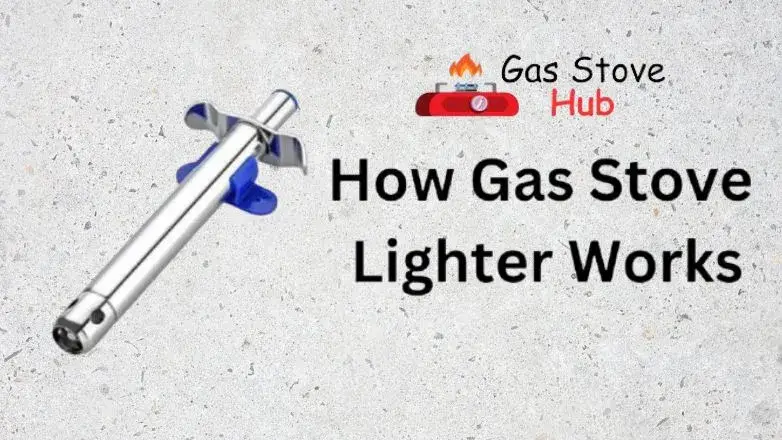
A handheld gas lighter is a separate tool for lighting a burner. As the Gas Lighter Wikipedia Page explains, it is used on stoves without automatic ignition and relies on a piezo crystal and a spring-loaded hammer to make a spark. It is also the best backup when your built-in igniter fails or the power is out.
Types of Handheld Gas Stove Lighters
Piezo Spark Lighters
These are the simple, inexpensive stick lighters found in many kitchens. You squeeze the trigger to make a spark near the burner while gas is flowing. They need no fuel or battery.
Butane Long-Neck Lighters
These produce a real flame on an extended neck, which keeps your hand away from the burner. They are refillable and are common for stoves, grills, and candles.
USB Electric Arc Lighters
These create a flameless electric arc from a rechargeable battery. Many include a safety lock, a battery indicator, and automatic shutoff, and they resist wind better than a flame lighter.
Matches and Flint Spark Lighters
Matches are the cheapest backup but keep a flame close to your hand. Flint spark lighters were the common choice before piezo lighters arrived and still turn up in some kitchens.
| Type | Power | Main Advantage | Main Drawback |
|---|---|---|---|
| Piezo Spark Lighter | Mechanical click | No fuel or battery and very low cost | Only works while gas is flowing, and the spark weakens with wear |
| Butane Long-Neck | Refillable butane | Visible flame and long reach | Needs refills and keeps a flame near your hand |
| USB Arc Lighter | Rechargeable battery | No fuel, wind resistant, often has a safety lock | Needs charging, and build quality varies |
| Matches or Flint Lighter | None | Cheapest backup | Short reach and an open flame |
How To Choose a Gas Stove Lighter
- Choose a long enough neck, because many popular models are around 11 inches
- Look for a safety lock or child-resistant switch
- Pick refillable butane or a rechargeable arc model to avoid throwaway waste
- Check for a battery indicator and automatic shutoff on arc lighters
- Make sure the grip is comfortable and the body is sturdy
Prices change often, but at the time of writing common electric arc and butane long-neck models sell for roughly 8 to 15 dollars, while basic piezo spark lighters cost less.
How To Light a Gas Stove Manually Without a Working Igniter
- Make sure there is no gas smell in the room
- Light your match or lighter first, or have your arc lighter ready
- Hold the flame or arc next to the burner ports
- Turn the knob to a low or light setting while keeping your face and hands back
- If the burner does not light within a few seconds, turn the knob off, ventilate the room, and wait before trying again
Store every lighter out of children’s reach. If you are worried about curious hands near the stove, read my breakdown in Is Stove Guard Worth It.
Common Problems and Troubleshooting Guide on Gas Stove Lighter
Over the years, I have encountered just about every gas stove lighter problem you can imagine. Here are the practical solutions I have learned, sometimes the hard way.
Clicking Without Ignition
This is usually food debris or moisture. I cannot count how many times I have fixed it with nothing more than a dry toothbrush and some patience. Make sure the stove is completely cool, then gently brush the burner ports and the igniter tip.
Weak Spark or No Spark
First check whether your igniter is wet. I once spent hours troubleshooting only to realize I had just washed the stovetop, so let everything dry completely. If that is not it, look for wear on the electrode or a gap that has widened. A gap that is too wide is like trying to jump across a river instead of a stream, and the spark just cannot make it.
Delayed Ignition
A delayed ignition can be scary, because it lights with a sudden poof. It usually means partially clogged burner ports. A straightened paperclip works for clearing them, though appliance makers suggest a straight pin, needle, or small wire and warn against wooden toothpicks. Please make sure every control is off first. The Whirlpool Cleaning Gas Cooktop Burners and Ports Guide explains the safe method.
Small or Uneven Flames
Gas flow issues often show up as small or uneven flames. Check your burner caps first, because they need to sit perfectly level. I once spent a whole evening with wimpy flames until I realized the burner cap was slightly tilted after cleaning. My full walkthrough is in How To Clean Gas Stove Burners.
Clicking That Will Not Stop
If the clicking continues after the flame is lit, check that the burner cap is seated and that the igniter is dry and clean. Constant clicking when the stove is off often points to moisture in the ignition switches or a faulty spark module. My Auto Ignition Gas Stove Problems and Fixes table covers each symptom.
Maintenance and Safety Tips on Gas Stove Lighter
After dealing with various issues over the years, I have developed a pretty solid maintenance routine for keeping your gas stove lighter in tip-top shape.
Regular Cleaning
I clean my burner ports monthly using a stiff brush and a pin or paperclip for stubborn clogs. Keep a dedicated toothbrush just for this purpose, because your regular toothbrush should stay in the bathroom.
Replace Worn Parts Early
Component replacement is not something you need often, but when you do, do not procrastinate. My igniter got weaker and weaker, and instead of replacing it I kept using matches until one day there was no spark at all. If parts are showing wear, replace them before they fail completely.
Professional Check-Ups
Professional maintenance might seem expensive, but it is worth it. I schedule a check-up every two years, and it has caught several potential issues before they became problems. Think of it as a regular doctor’s visit for your stove.
Gas Leak Warning Signs and What To Do
Natural gas and propane carry an added odor like rotten eggs or sulfur. If you smell it, do not use switches, lighters, or phones inside, turn off the burners, leave the building, and call your gas provider or emergency number from outside.
Ventilation and Carbon Monoxide Alarms
Always ensure proper ventilation. I keep my kitchen window cracked open when cooking. Install carbon monoxide alarms on every level of the home, and remember that these alarms detect carbon monoxide, not leaking natural gas, so trust your nose and consider a separate gas detector. The CPSC Carbon Monoxide Questions and Answers page explains the symptoms and prevention steps.
Comprehensive Guide: How Do Gas Stove Lighters and Ignition Systems Work
The video above shows the process in action. I remember being amazed when my appliance repair technician showed me an actual spark in a darkened room. It looks like a tiny lightning bolt.
Pro Tips for Optimal Performance
After years of working with gas stoves, here are my top tips for keeping your ignition system working perfectly.
Regular cleaning:
- Keep burner ports clear
- Clean igniter tips monthly
- Remove food debris promptly
Proper usage:
- Do not force the knobs
- Allow the full clicking sequence
- Keep the burner area dry
Maintenance schedule:
- Annual professional check
- Replace worn parts promptly
- Document any changes in performance
Remember: A well-maintained ignition system should work reliably for years. If you notice any changes in how it operates, do not ignore them, because that is usually your stove trying to tell you something.
Modern Innovations in Gas Stove Ignition Systems
Gas stove ignition has come a long way from manually lit pilot lights. Here are some innovations I have been following in recent years.
Smart Ignition and Auto Reignition
Some newer models can detect when a flame goes out and automatically reignite it. I saw this at a friend’s house, where the stove relit itself after a pot boiled over and put out the flame.
Energy-Efficient Designs
Modern electronic ignition systems use far less energy than older standing pilot designs. I recently upgraded my old stove, and the difference in gas consumption is noticeable, because my gas bill actually went down.
Latest Safety Features
Newer features include automatic shutoff when no flame is detected and child-safety locks on the ignition system. Some models even connect to a smartphone to warn you if a burner has been left on. If that appeals to you, also read about add-on shutoff devices in Is Stove Guard Worth It.
What May Come Next
There is talk of self-diagnosing systems that can tell you exactly what is wrong when there is a problem. As someone who has spent countless hours troubleshooting ignition issues, I am definitely looking forward to that.
About This Guide and How It Was Prepared
The personal experiences in this guide come from the author’s own years of working with gas stoves in real kitchens. The technical explanations were checked against references such as the Gas Lighter and Piezo Ignition pages on Wikipedia and an Engineers Garage explainer on piezo lighters. Household gas use figures come from the U.S. Energy Information Administration, cleaning guidance from Whirlpool, and carbon monoxide guidance from the U.S. Consumer Product Safety Commission. Details vary by brand and model, so your owner’s manual always comes first.
Safety note: Repairs inside the ignition system or gas line involve live gas and electricity. Leave those to a qualified technician, and leave the building and call for help if you smell gas.
Conclusion
Understanding how your gas stove lighter works is not just about satisfying curiosity. It is about cooking safely and efficiently in your kitchen. Whether you are dealing with a classic piezo igniter, an electronic spark system, or a handheld lighter, the basic principle is the same: a spark meets gas at the right moment.
Keep up with regular maintenance, pay attention to any changes in how your ignition performs, and never ignore safety concerns. Have you experienced any interesting gas stove lighter issues? Share your stories in the comments below, and if you are ever in doubt about a gas appliance problem, call a professional. Safety first, always.
Frequently Asked Questions About Gas Stove Lighters
How do gas stove lighters work?
They make a high-voltage spark close to the burner to ignite the gas. The spark can come from a piezo crystal that is struck by a hammer, a battery-powered or mains-powered circuit, or an older flint mechanism. The spark lights the gas and air mixture and produces a steady flame.
How do gas stoves light and ignite?
When you turn the knob, the gas valve opens and gas flows to the burner. An igniter, which is either an electronic spark generator or a pilot light, produces the first flame. That flame lights the gas coming from the burner ports.
How does a gas stove igniter work?
An igniter creates an electrical arc, or spark, across a small gap. In a piezo model, a click compresses a crystal to produce the voltage. In an electronic model, a control module sends current to the electrode. A Basics of Gas Ignition Guide explains how direct spark systems time the spark and the gas valve.
What is the working principle of a typical gas stove lighter?
The principle is to generate a high-voltage spark at the same time that gas is released. This can be done with piezoelectric crystals, battery-powered circuits, or mechanical flint systems.
Does a gas stove emit light?
The gas itself does not emit light. The light comes from combustion, when gas mixes with oxygen and burns. A healthy flame is mostly blue because it is burning efficiently. A yellow or orange flame suggests dirty ports or a poor air and gas mix, so it is time for a cleaning or adjustment. I learned this the hard way when my stove started leaving black marks on my pots.
Why does my gas stove keep clicking even after the flame is lit?
The infamous endless clicking is something I have dealt with more times than I can count. On many stoves the spark module keeps firing while the knob is in the light position, so turning it to a lower setting should stop it. If it keeps clicking, the usual cause is moisture or food residue on the igniter or under the burner cap. I once spent an entire evening with this annoying clicking until I realized some pasta water had boiled over earlier that day.
Quick fixes to try:
- Clean the burner head and cap thoroughly and let them dry
- Make sure the burner cap is properly seated, which was my rookie mistake many times
- Check that the igniter is clean and positioned correctly
If cleaning does not solve it, a worn switch or spark module may need replacing by a technician.
Why is my gas stove clicking but not lighting?
The spark is firing, but either gas is not reaching the flame or the spark is not landing where it should. The usual causes are a wet igniter, a misaligned burner cap, or clogged burner ports. Dry the parts, reseat the cap, and clear the ports. If it still will not light, stop using that burner and call a technician.
How long should a gas stove lighter typically last?
From my experience maintaining various gas stoves, a quality igniter should last roughly 3 to 5 years with regular use, though this varies a lot. I had one igniter last nearly 7 years because I cleaned it religiously every month, while another gave up after just 2 years in a vacation rental with lots of different cooks.
The key factors are:
- Frequency of use
- Quality of maintenance
- Environmental factors such as humidity and grease exposure
- Manufacturing quality
Pro Tip: Listen for changes in the clicking sound. If it becomes weaker or sounds different, that is often an early warning that the igniter is wearing out.
Is it normal to smell gas when lighting the stove?
This caused me plenty of anxiety when I first started using a gas stove. A very brief whiff can happen if ignition is slightly delayed, because a little gas is released before the spark lights it. It should disappear the instant the flame catches, and if it happens often you should have the stove checked.
Important safety note: If you smell gas for more than a moment, or smell it when the stove is not in use, turn everything off, leave the building, and call your gas company from outside. I once had this happen and discovered a small leak in the connection, which is definitely not something to ignore.
How do I know if my igniter needs replacing?
I have become quite familiar with the signs of a failing igniter over the years. Watch for these:
- A weak or inconsistent clicking sound
- Having to click multiple times to light the burner
- Some burners lighting more easily than others
- Visible wear, cracks, or damage to the igniter tip
Last year I noticed one burner taking longer and longer to light. Instead of the usual crisp click-click-flame, it was more like click-click-click-click-maybe-flame. That is when I knew it was time for a replacement.
Can I clean the igniter myself?
Yes, but do it carefully. I learned this the hard way after accidentally damaging an igniter during an overzealous cleaning session. Here is my method:
- Make sure every control is off and the stove is cool
- Use a dry soft toothbrush, or a cotton swab that is barely dampened with rubbing alcohol
- Gently clean around the igniter tip
- Allow it to dry completely before using the stove
Stop cleaning if you feel any movement in the igniter, see loose wires, or notice that it seems wobbly.
Why does my stove lighter only work sometimes?
This intermittent ignition issue used to drive me bonkers until I figured out the common causes:
- Moisture, especially after cleaning or in humid weather, so let everything dry completely
- Loose connections, which often appear after bumping the stove, so check whether any parts feel wobbly
- Partial blockages from food debris, which regular cleaning prevents
The fix that worked most often for me was a thorough cleaning followed by letting everything dry overnight.
Can I light a gas stove with a lighter or match?
Yes, and it is a handy backup when your igniter fails or the power is out. It should only be a temporary solution, though. Follow these safety rules:
- Use long matches or a long-neck lighter
- Light the match or lighter before you turn on the gas
- Turn the gas on low when lighting manually
- Never let children attempt it
If you are reaching for matches more than once or twice, it is time to fix the igniter. I put off replacing mine for months and used matches instead, which was not my smartest decision.
Does a gas stove igniter need electricity?
It depends on the type. Piezo igniters need no electricity, battery-operated electronic igniters need a battery, and mains-powered spark modules need household power, so they usually will not spark during an outage.
What is the best lighter for a gas stove?
A long-neck lighter with a safety lock is the best all-round choice. Pick a refillable butane model if you like a visible flame, or a rechargeable USB arc model if you prefer no fuel and better wind resistance.
Are electric arc lighters safe to use on a gas stove?
They are generally a good option, particularly models with a safety lock and automatic shutoff. Use them the same way as any lighter: check for gas smell first, keep your face back, and store them away from children.
Can I make a DIY gas stove lighter at home?
I do not recommend it. Homemade lighters made from wire, pipes, and salvaged electronics lack the insulation, safety locks, and testing of commercial products, and they work near an open gas flow. A well-made lighter costs very little and is the safer choice.
Read More: Auto Ignition Gas Stove: Pros, Cons, Safety and Buying Guide
Read More: How To Clean Gas Stove Burners
Read More: Gas Stove Hub